How Burnout Novels Change the Reader’s Understanding of Ordinary Tiredness?
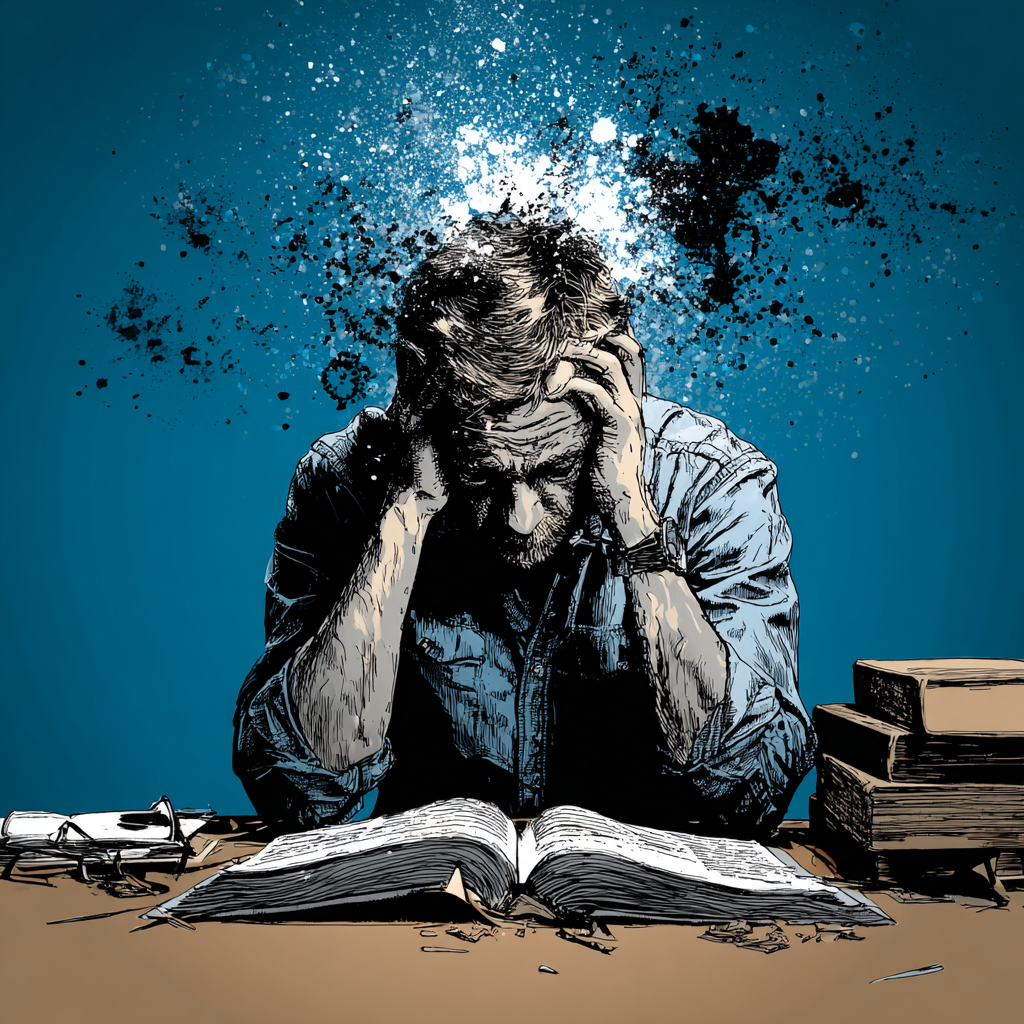
There was a time when tiredness seemed easy to define. You worked too much, slept too little, and felt drained for a while. Rest was supposed to solve it. A quiet evening, a free weekend, a vacation, or simply more discipline around sleep and routine could return a person to normal. But modern fiction has complicated that simple picture. In novels centered on burnout, exhaustion is no longer just physical fatigue. It becomes emotional flattening, moral confusion, alienation from work, numbness toward relationships, and sometimes even a loss of language itself. These books do more than tell stories about overworked characters. They reshape how readers interpret the difference between being tired and being depleted.
One of the most important things burnout novels do is reveal that exhaustion can be structural rather than temporary. Ordinary tiredness usually has a visible cause and a believable end. A demanding week leads to fatigue, and fatigue leads to recovery. Burnout fiction challenges that neat cycle. It often presents characters whose lives are organized around constant availability, performance, and self-management. Their weariness does not come from one bad month. It comes from a system of living in which every hour is already spoken for and every emotion is expected to remain functional. By following such characters over time, the reader begins to see that what looks like normal tiredness from the outside may actually be a long-form collapse.
This is one reason these novels feel so unsettling. They teach the reader that burnout rarely announces itself dramatically at first. It often appears in ways society praises. The exhausted character is still productive, still answering messages, still meeting deadlines, still smiling in the right places. In many stories, the person at the center of burnout does not initially look broken at all. They look reliable. Responsible. High-performing. Their crisis is hidden inside competence. That changes the reader’s understanding of fatigue because it suggests that “functioning” is not the same as being well. A person may continue operating for months or years while steadily losing contact with joy, curiosity, and inner stability.
Burnout novels also expand the emotional vocabulary around exhaustion. In ordinary conversation, people often use “tired” as a catch-all word. It covers boredom, sadness, overstimulation, stress, and despair. Fiction resists that flattening. A good novel can show tiredness as irritation without cause, memory problems, reduced empathy, withdrawal from intimacy, or a strange inability to imagine the future. It can show the humiliation of being unable to care about things one used to care about deeply. It can also show the guilt that follows, especially in cultures where gratitude and resilience are treated as moral duties. Readers come away from these stories with a more detailed sense of what exhaustion can look like before it becomes visible enough to be named by others.
Another way these books shift perception is by exposing the false romance of endurance. Many societies still admire the person who keeps going no matter what. Overwork is often framed as seriousness, and emotional suppression as maturity. Burnout fiction tends to dismantle this ideal from within. It shows what endless endurance actually costs. The high-achieving employee, the caregiver, the academic, the creative professional, or the office worker who cannot switch off after hours may appear admirable at first. But the novel slowly reveals the damage underneath: relationships become mechanical, inner life becomes thinner, and identity begins to depend entirely on output. Readers are forced to confront the possibility that what is commonly celebrated as dedication may, in some cases, be self-erasure.
These novels are especially powerful because they often make burnout visible through style as much as through plot. Repetition, flat dialogue, fragmented thoughts, and emotionally muted narration can reproduce the very feeling of depletion. The reader does not only understand burnout intellectually; the reader experiences something of its rhythm. Pages may feel airless. Scenes may blur into one another. Time may lose shape. This formal dimension matters because it moves the conversation beyond message and into sensation. A reader may finish such a novel realizing that ordinary tiredness still leaves room for recovery, imagination, and spontaneity, while burnout creates a deeper narrowing of consciousness. It is not just low energy. It is a diminished ability to inhabit one’s own life.
Burnout novels also change how readers interpret seemingly minor moments. After reading them, a canceled dinner plan, an unanswered text, a forgotten appointment, or a lack of enthusiasm may appear differently. What once looked like laziness or disinterest may instead seem like a warning sign. Fiction does not turn readers into therapists, nor should it. But it can make them less superficial judges of behavior. It can invite more patience with themselves and with others. That may be one of the quietest but most meaningful effects of this kind of literature. It makes private suffering legible without reducing it to a slogan.
At the same time, the best burnout novels do not simply medicalize everyday life. They do not claim that every tired person is on the edge of collapse. Their value lies in teaching proportion. They sharpen the distinction between healthy fatigue, which belongs to a full human life, and corrosive exhaustion, which empties life from the inside. That distinction matters. Ordinary tiredness can follow effort, love, travel, celebration, parenting, study, or meaningful work. It is part of being alive. Burnout, by contrast, is often marked by estrangement. The exhausted person no longer feels restored by rest because the problem is not only lack of energy. It is a damaged relationship to time, labor, desire, and selfhood.
This is why literature can say something unique about burnout. Public discourse often treats it either as a productivity problem or as a wellness issue. In both cases, the solution is usually framed in practical terms: better boundaries, fewer notifications, more sleep, more balance. Those things matter, but novels remind us that burnout is also existential. It affects meaning. It changes how a person sees work, obligation, intimacy, ambition, and even language. Fiction gives this condition depth. It shows that the crisis of burnout is not merely that people are tired, but that they can no longer tell whether their tiredness is temporary, personal, deserved, or built into the world they inhabit.
In that sense, burnout novels perform an important cultural task. They interrupt the habit of minimizing exhaustion with phrases like “everyone is tired” or “you just need a break.” They do not deny that ordinary tiredness exists. Instead, they ask readers to look closer. They suggest that beneath the language of everyday fatigue there may be a more serious form of depletion that modern life has taught people to normalize. Once a reader has encountered that idea in fiction, it becomes harder to ignore in reality.
And that may be the deepest achievement of burnout novels. They change not only what readers feel about exhausted characters, but what readers are willing to recognize in themselves.